WE BUY
SWITCHGEAR.
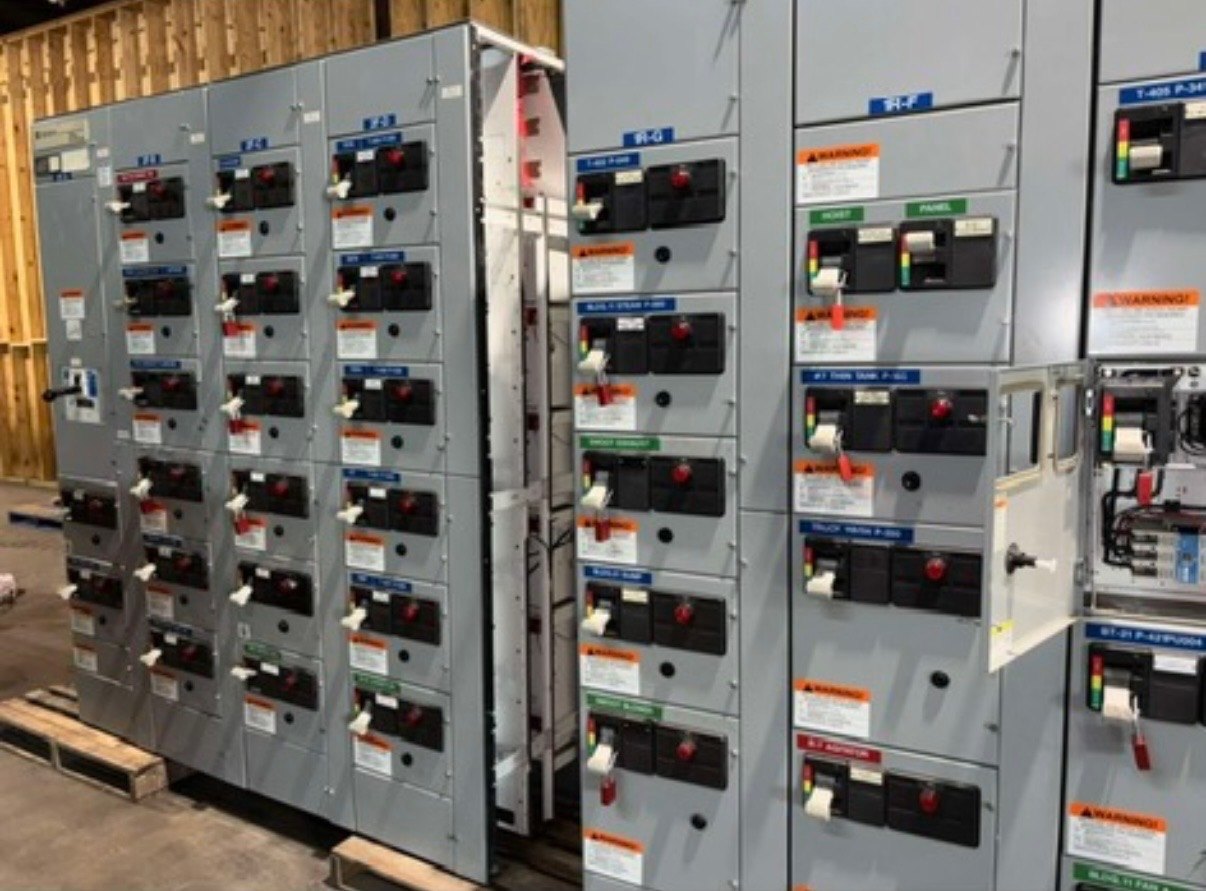
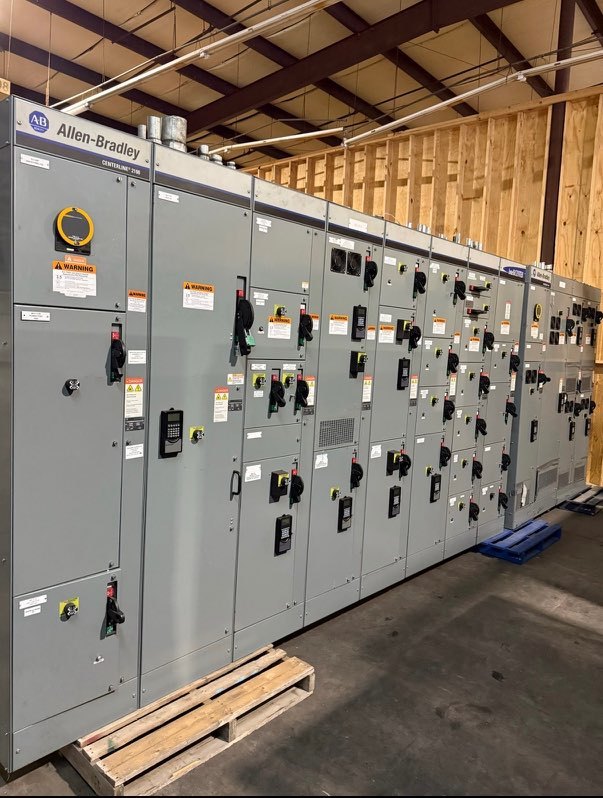
We buy electrical switchgear from decommissioned data centers and shut-down power plants. We handle all rigging and logistics—so you can get paid.
Equipment is our business.
We buy used, surplus and decommissioned electrical equipment—across all voltage classes.
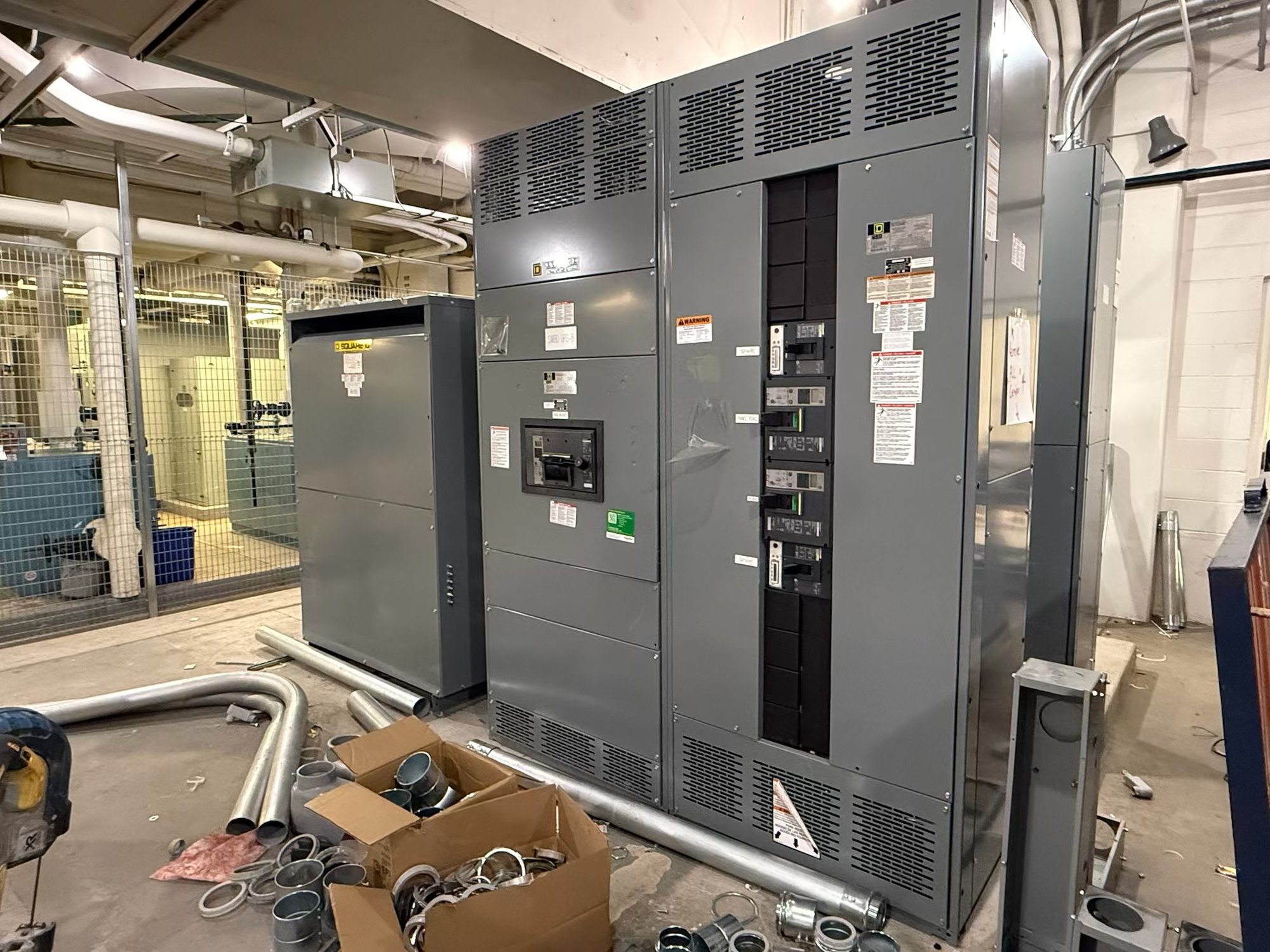
Moving equipment
doesn't have to be hard.
Whether you're clearing a facility or handling a single piece, start with a few details.
Send the details
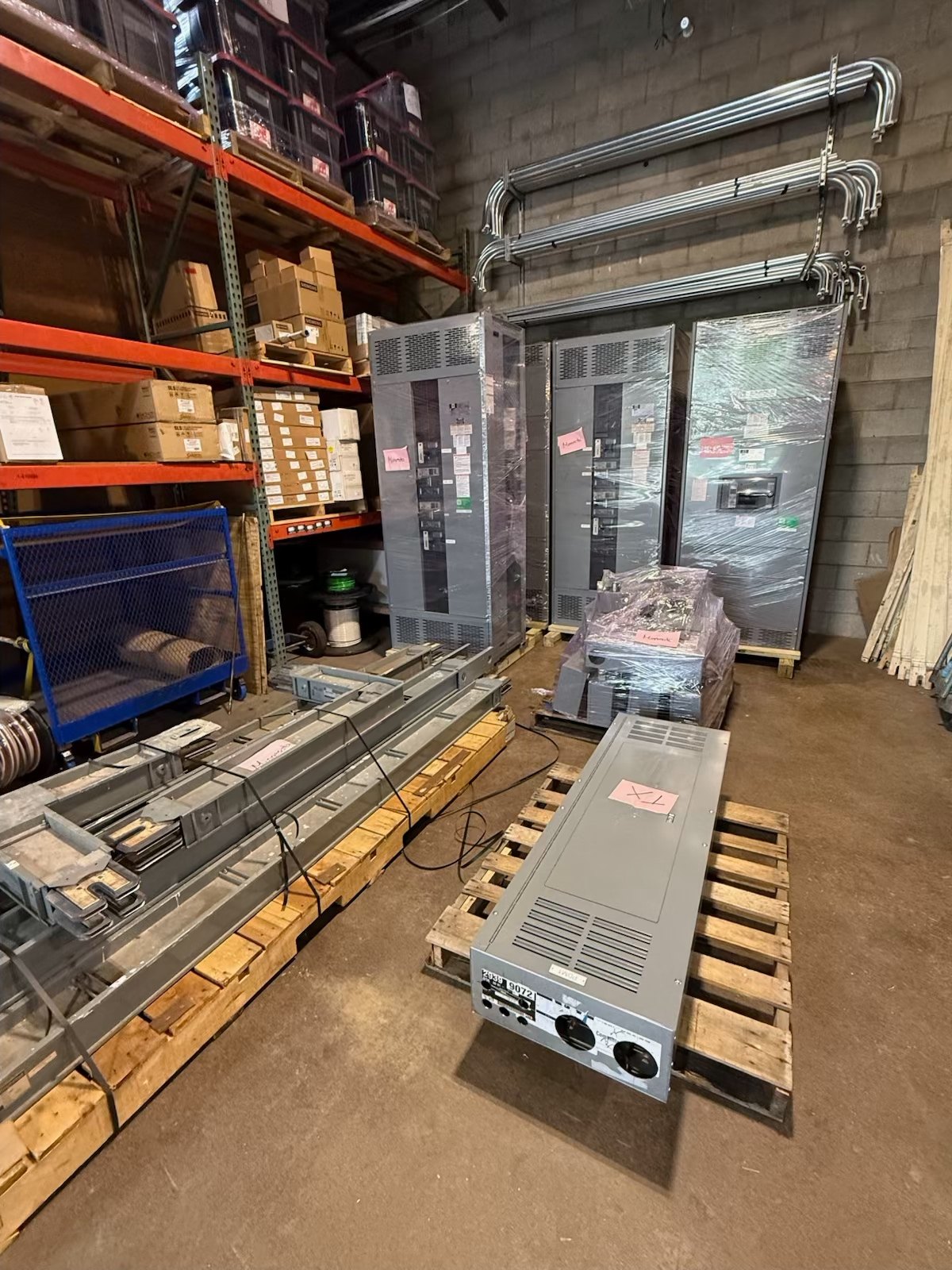
Share photos, nameplates, equipment location and any information you have.
Receive a cash offer
We review the equipment. There's no testing required from you.
Get paid upfront
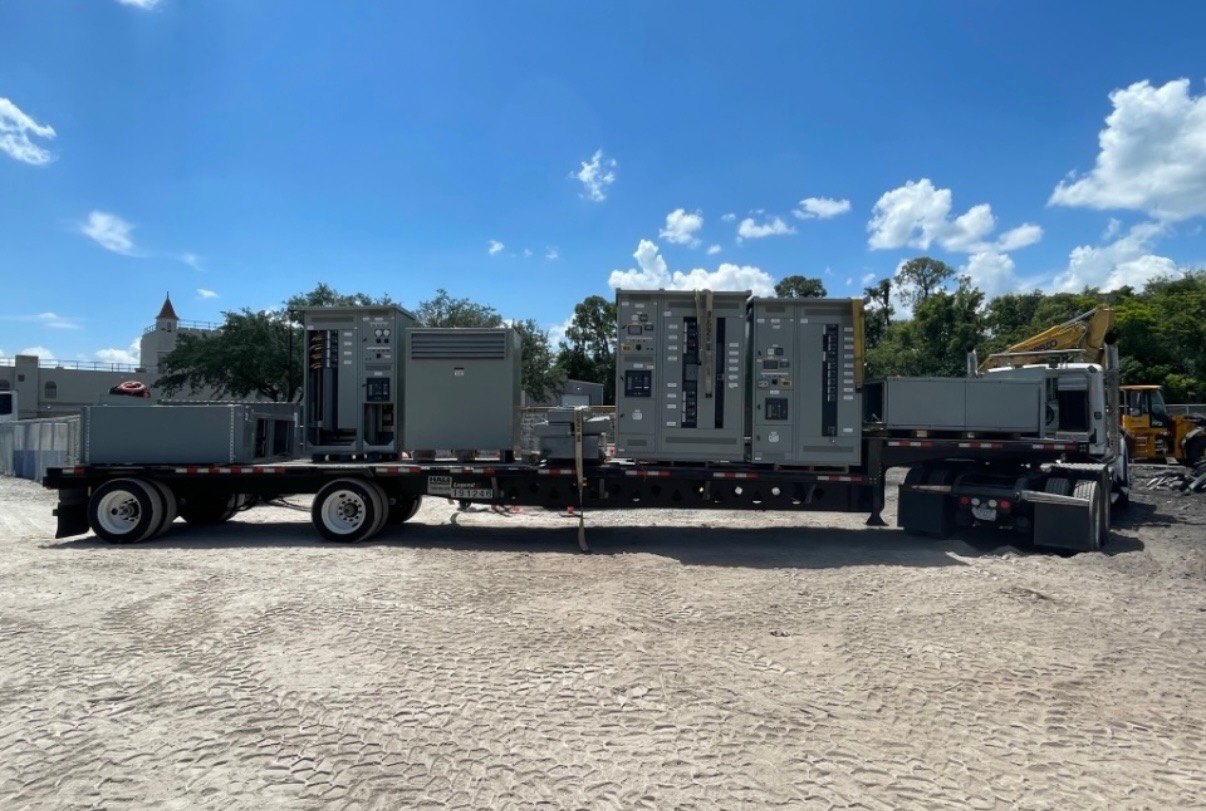
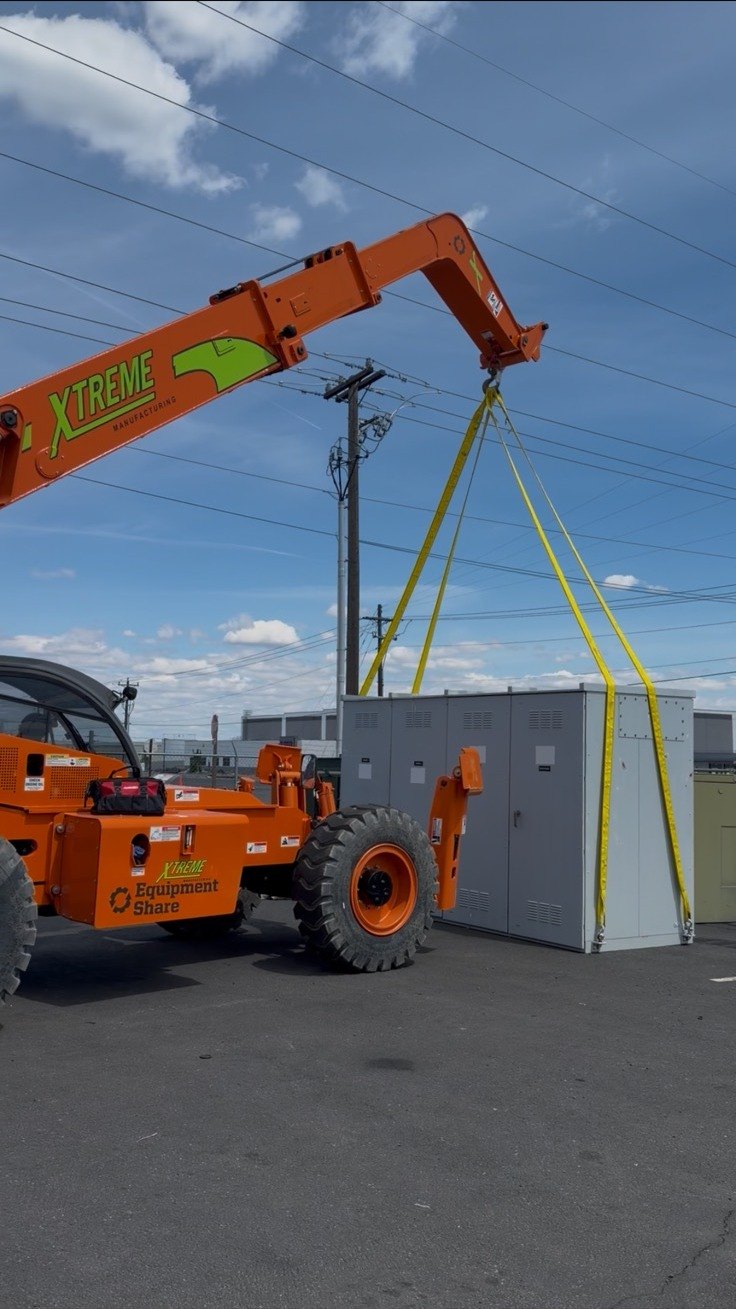
We handle the crane, rigging, disconnects, loading, freight and hauling. The seller does nothing but get paid.
A buyer for your electrical equipment
A purchase discussion about used and surplus industrial electrical equipment in Connecticut begins with a clear picture of the actual equipment. If electrical equipment is no longer needed, a direct purchase conversation can help establish what is available and how it can be collected. We buy equipment rather than selling it. Our buyer program includes cash offers, upfront payment and coverage of all freight; no testing is required from the seller. All voltage classes are bought. Start with the nameplate and whatever inventory information is already available, even if you do not yet have a complete equipment history or a final count.
What electrical equipment can be considered
Industrial electrical inventory can include switchgear, switchboards, motor control centers, panelboards, busway, automatic transfer switches, circuit breakers and unit substations. Not every lot contains each type. One example to consider is automatic transfer switches: An automatic transfer switch, or ATS, is associated with changing a load between power sources. A listing should identify the complete transfer switch separately from a loose controller, enclosure or accessory. The visible nameplate may provide the manufacturer, model, voltage, current rating and number of poles. If existing paperwork describes the controller or source configuration, include it as context rather than guessing from the exterior. Photographs of the outside and any labels already accessible can establish the basic identity. A seller does not need to demonstrate a transfer or energize the unit in order to start a purchase discussion.
Define what is included in the lot
A facility may be replacing part of a distribution system while keeping other equipment in service. Separate the pieces available for purchase from items that will remain, and identify any loose spares included with them. A clear boundary is especially useful when the available lot is only part of a lineup. A buyer can begin with existing photographs and a simple description; there is no need to claim that a project has a final schedule or that every device in the room is included.
Build a useful equipment inventory
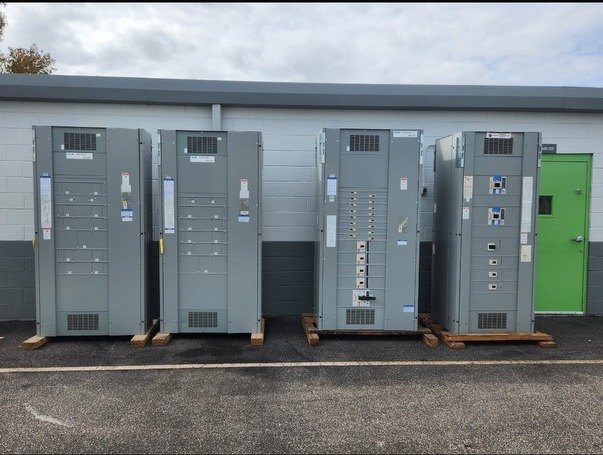
A clear set of photos often starts with the overall lineup, continues with separate views of each nameplate and finishes with included loose accessories. Add the number of cabinets, devices or busway pieces where known. Existing schedules, shipping records and drawings can be useful as supporting information, but identify them as records rather than proof of present condition. Explain any uncertainty about model numbers or completeness. For equipment at multiple addresses, group the inventory by actual pickup site so that its location is not confused with the seller's mailing address.
How the buyer reviews a lot
Two pieces with the same broad equipment name can differ in manufacturer, age, number of sections and included devices. A complete assembly and a cabinet missing major components are also different propositions. Describe known differences and provide photos of the labels and overall configuration when available. The buyer can consider those facts alongside quantity, access and collection needs before making an offer. No price is implied by the presence of a brand or a particular rating. The aim is an informed conversation about the actual assets rather than a claim that all equipment has the same value.
Equipment status and site access
For initial identification, use information and photographs already available through authorized access. Do not test, operate or open electrical equipment for the purpose of making an inquiry. If a label cannot be read or the equipment remains connected, explain the limitation rather than guessing. The facility's responsible personnel decide when equipment can be released and control site access. The buyer can review a partial description, ask follow-up questions and discuss collection without requiring the seller to perform a performance test.
Coordinating pickup and freight
When a sale involves several cabinets or a large lot of loose components, a simple pickup plan helps everyone understand the scope. Identify which pieces are ready, where they are located and whether there is an existing list of dimensions. If items will be released in stages, explain that sequence. We cover all freight, and collection arrangements can be discussed after the equipment has been identified. The buyer handles crane, rigging, disconnects, loading, freight and hauling; practical site access and timing should be coordinated with the facility.
Cash offers and payment upfront
Selling directly begins with a description and continues with an offer discussion, not a promise of a preset price. We buy rather than sell electrical equipment, make cash offers and provide payment upfront. All freight is covered, no testing is required from the seller, and all voltage classes are bought. Identify the pieces included and any known collection constraints so both sides can discuss the same lot. The equipment's markings, quantity and configuration help inform the review, along with the practical details of pickup.
Start a purchase discussion
Contact the buyer with a concise description of the lot and the Connecticut pickup location. Model and nameplate photos, the number of sections or devices, and any known timing constraints are helpful. If there are several brands or asset types, a simple list is sufficient for an initial discussion. Explain whether the equipment has already been separated or remains at the site, if known, and identify the person authorized to coordinate the sale. The next step is a review of the actual equipment and an offer discussion, not an assumed valuation.
Big project. Clear next step.
We buy electrical switchgear out of decommissioned data centers and shut-down power plants, and purchase surplus equipment from projects across Connecticut. We handle all rigging and logistics, including crane, disconnects, loading, freight and hauling.
We know electrical equipment.
Send a photo of yours to start a conversation about a cash offer.
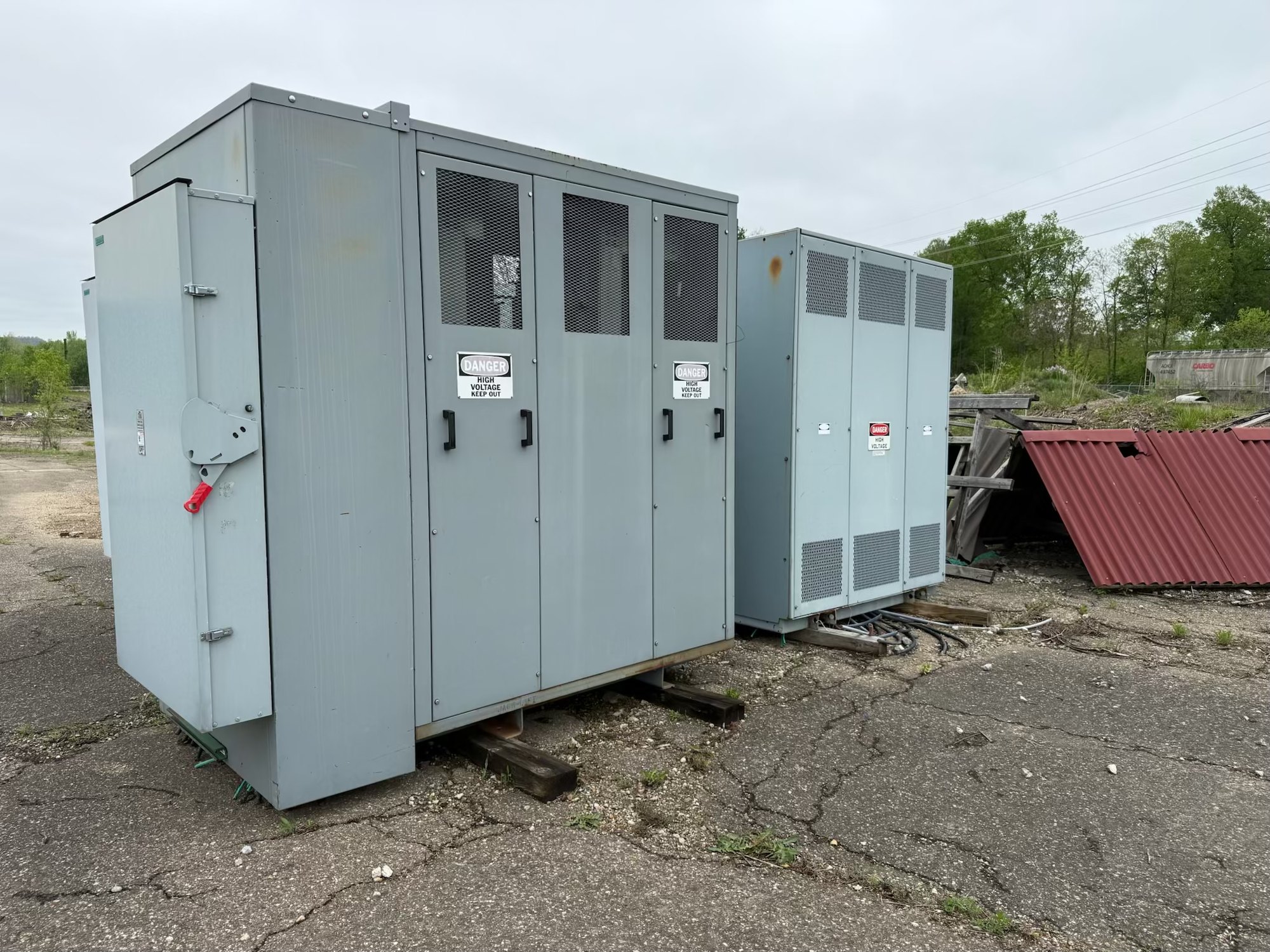
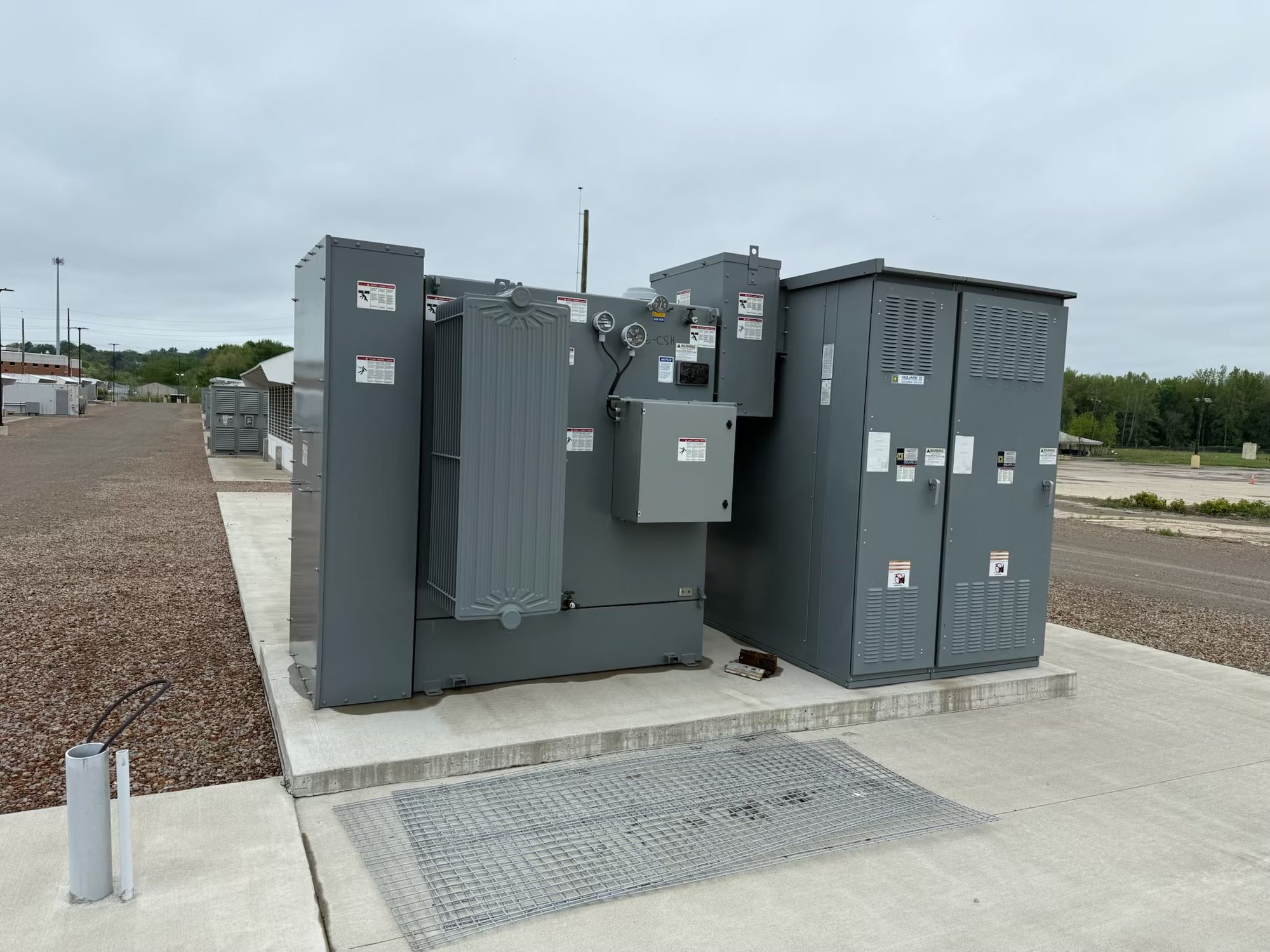
Buying throughout Connecticut.
From a single item to a site-wide decommissioning, send us the equipment details and its location.
Explore all Connecticut buying guides
Amperage
Amperage Equipment
Brand
Brand Equipment
City
City Equipment
County
Equipment
Industry
Industry Equipment
Intent
Voltage
Voltage Equipment
Ready to turn surplus into a cash offer?
We buy switchgear from decommissioned data centers and shut-down power plants. Send a nameplate photo and a few details. We handle crane, rigging, disconnects, loading, freight and hauling. No testing is required from you—just get paid upfront.